







Search Results for: Scott Agricultural Laboratories
A Comprehensive Analysis of the Origin, Flavor Characteristics, and Mouthfeel of the SL28 Coffee Variety from Kenya's Kiambu Region
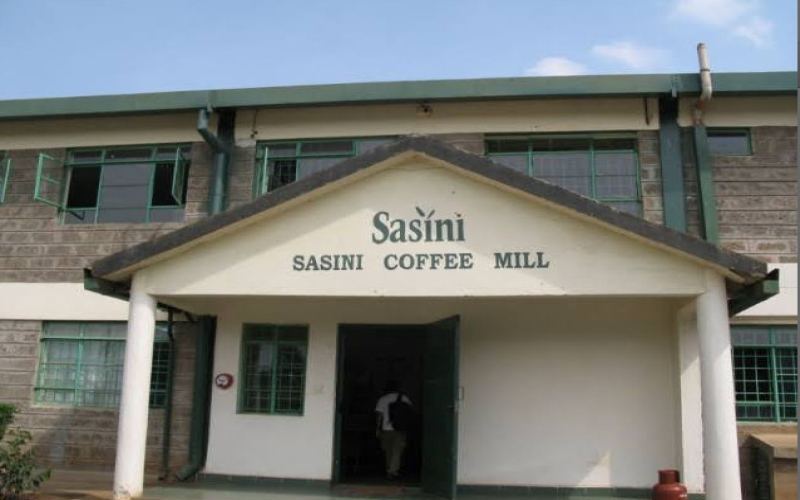
SL28 is one of Africa's most legendary coffee varieties. After being selected in Kenya in the 1930s, it gradually spread to African Arabica-producing regions such as Uganda, and today it has traveled even farther to Latin America. It is suited to cultivation at medium to high altitudes, is highly drought-tolerant yet susceptible to coffee diseases, and offers an elegant cup profile that often features floral notes. Front Street's Little Tomato coffee beans are precisely a combination of SL28 and SL34. This article traces the breeding history of SL28, from the establishment of the Scott Agricultural Laboratories to the discovery of drought-resistant plants in Tanzania, and then to genetic testing that confirmed its kinship with the Bourbon genome. It also presents the specific producing region, altitude, processing method, and flavor description of Front Street's Kenyan Little Tomato, giving you a comprehensive understanding of this ancient and resilient variety. [more…]
SL28 Coffee Variety Traceability and Flavor Analysis: From Kenyan Drought-Resistant Breeding to Front Street Coffee's Cherry Tomato-Like Cup Performance
SL28 is one of Africa's most legendary coffee varieties. After being selected in Kenya in the 1930s, it gradually spread to Arabica-growing regions such as Uganda, and in recent years it has traveled even farther to Latin America. It is suited to cultivation at medium to high altitudes; it is drought-tolerant yet susceptible to disease, and its flavor is exceptionally elegant, often with floral notes. Front Street Coffee's Little Tomato coffee beans are precisely a combination of SL28 and SL34, displaying layers of pear, smoked plum, yellow sugar, and more. This article will trace the history of SL28's selection and breeding at the Scott Agricultural Laboratories, sort out its genetic relationship with the Bourbon genome, and introduce specific information about Kenya's Asali processing plant, helping coffee enthusiasts fully understand this variety's origins and development as well as its potential in the cup. [more…]
The Complete Guide to Coffee Variety Codes: The Stories and Origins Behind 74110, SL34, F1, and H1
When selecting coffee beans, a string of mysterious codes occasionally appears in the variety column, such as 74110, SL34, F1, H1, and so on. They do not have resounding names like Typica or Geisha, yet each carries a piece of breeding history. What exactly do these codes mean? Are they years, experiment numbers, or abbreviations of research institutions? This article will trace the origins of these numbered varieties, from disease-resistant varieties in Ethiopia to selections by the Scott Laboratories in Kenya, and then to the F1 hybrid program in the Americas, uncovering the mysteries of their identities one by one. Front Street Coffee will also share the unique charm of these varieties in the cup, combined with their flavor performance. [more…]
An In-Depth Analysis of the Kenyan Coffee Industry's Origins, Producing Regions, Bean Grading System, and SL28/SL34 Varieties
Kenya is located in East Africa, where the equator and the East African Rift Valley meet. Though neighboring Ethiopia, it has taken a completely different path in coffee development. From the introduction of coffee seeds by French missionaries in 1893, to large estate cultivation during the British colonial period, and then to the establishment of a grading system and auction system in the 1930s, Kenyan coffee gradually formed its unique grading standard centered on bean size and quality. Among the country's 14 producing regions, Nyeri, Kirinyaga, Murang'a, Kiambu, and Thika are the most well-known. The two iconic varieties SL28 and SL34, originating from Scott Laboratories' systematic selection of 42 coffee trees, remain the soul of Kenyan specialty coffee to this day. This article will also introduce the Thika AA TOP washed beans obtained by Front Street Coffee and their pour-over performance. [more…]
A Complete Guide to Kenyan Coffee Varieties: The Historical Origins and Flavor Characteristics of SL28, SL34, and Ruiru 11
Kenyan coffee is renowned worldwide for its bright fruit acidity and thick, juicy body, and SL28 and SL34 are the core varieties that shape this classic flavor. These two varieties were developed by the Scott Laboratories over nearly three decades and released in the 1950s, profoundly influencing the landscape of Kenya's coffee industry. However, the threat of pests and diseases gave rise to new varieties such as Ruiru 11 and Batian. This article will trace the origins, flavor characteristics, and current cultivation status of these varieties, and introduce the variety information of Front Street Kenya Asalia coffee beans, taking you deep into the world of Kenyan coffee varieties. [more…]
Where does the classic flavor of Kenyan SL28 and SL34 come from? Is Ruiru a coffee variety?
Kenyan coffee is renowned worldwide for its bright, uplifting fruit acidity and full, rich, juicy body, and SL28 and SL34 are the core varieties that shape this classic style. These two varieties, bred by the Scott Laboratories, have become stars of the specialty coffee world thanks to their complex flavors of dark plum, citrus, and stone fruit. However, their vulnerability to leaf rust and coffee berry disease gave rise to the later, more disease-resistant Ruiru 11 and Batian. This article will systematically trace the evolution of Kenyan coffee varieties—from their origins and flavor characteristics to cultivation performance and current market status—and answer the question of whether Ruiru is a coffee variety. [more…]
Why Is Kenyan Coffee Acidity So Intense? Unraveling the Secrets of the K72 Processing Method and the SL28 and SL34 Varieties
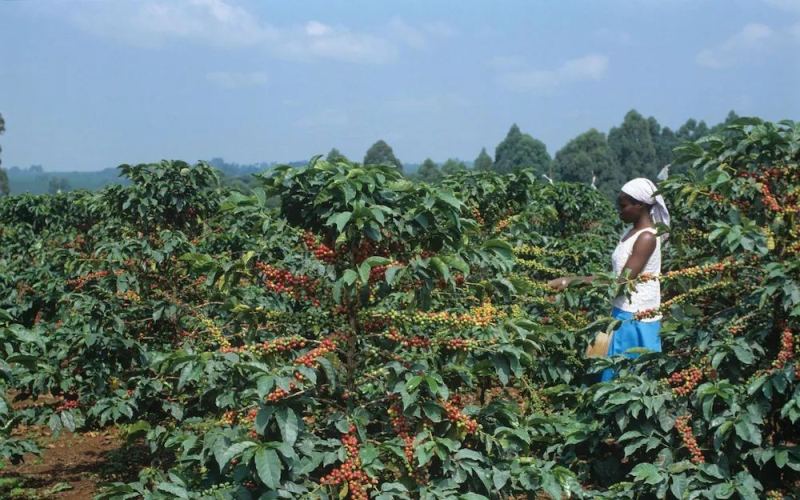
Kenyan coffee stands out in the world coffee landscape with its distinct and intense acidity, contrasting with the crisp and bright style of neighboring Ethiopia. This unique flavor is inseparable from the phosphoric acid-rich volcanic ash soil of the Kenyan highlands, the carefully selected SL28 and SL34 varieties, and the renowned K72 washed processing method. This article will delve into the sources of Kenyan coffee's acidity, dissecting its flavor code layer by layer—from the geographical environment and the history of variety selection to the 72-hour fermentation process. At the same time, we will introduce a Kenyan bean from Front Street Coffee, sourced from the Salia factory in the Thika region, featuring SL28 and SL34 varieties, processed with the K72 washed method, presenting bright acidity reminiscent of cherry tomatoes and smoked plums, along with a sugarcane-like sweetness. [more…]
A Complete Guide to Kenyan Coffee Varieties: The Origins and Characteristics of SL28, SL34, Ruiru 11, and Batian
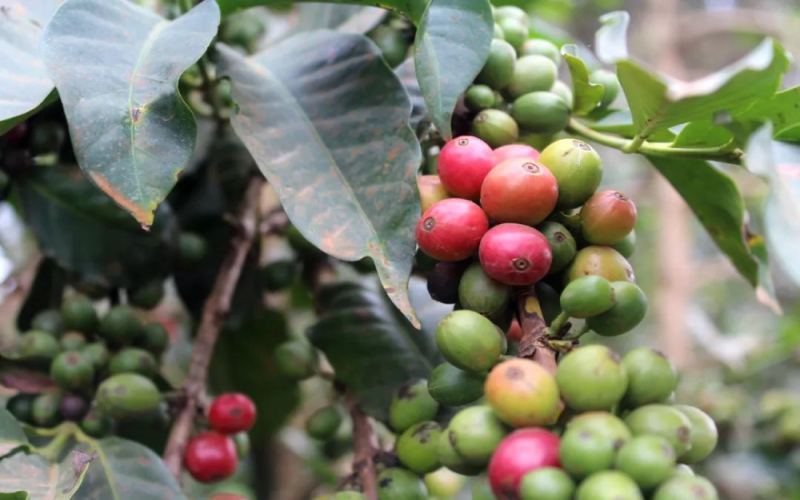
Kenyan coffee is renowned for its clean, translucent cup and bright, full-bodied fruit acidity. Behind this signature flavor lies both the gift of high altitudes and phosphorus-rich volcanic soil in the highlands, and a century of accumulated variety selection and breeding. From the Reunion Bourbon brought by French missionaries in the late 19th century, to SL28 and SL34 selected by the Scott Agricultural Laboratories from 42 lines, to Ruiru 11 and Batian developed to combat berry disease, Kenya's coffee variety history is a story of wrestling with disease, yield, and flavor. This article will outline the genetic origins, cultivation performance, and flavor differences of the main cultivated varieties, and introduce Front Street Coffee's Kenyan beans from the Thika region—selected from SL28 and SL34, processed with the K72 washed method, presenting notes of cherry tomato and dark plum. [more…]
Kenya Thika Region Asali Processing Plant: An In-Depth Analysis of SL28 and SL34 Varieties and the K72 Washing Method
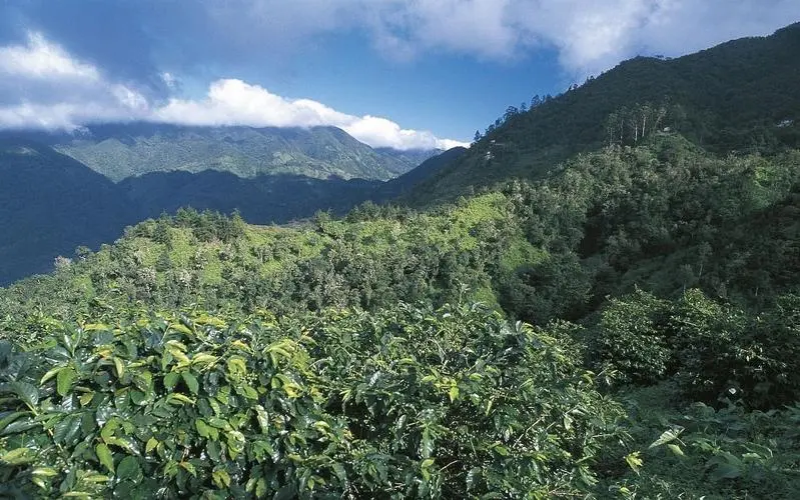
Kenya, as an important representative of African specialty coffee, produces uniquely flavored coffee thanks to its high equatorial altitude and volcanic soil. This article focuses on the Asali Processing Plant in the Thika region, outlining the breeding background and flavor differences of the two major varieties SL28 and SL34, and explaining in detail Kenya's signature K72 washed processing method. It also presents the complete parameters and brewing performance of Front Street Coffee Asali AA TOP, whose layered notes range from cherry tomato to smoked plum, showcasing the typical charm of Kenyan coffee's bright acidity and clean mouthfeel. [more…]
An Analysis of Kenya's Coffee Industry Landscape, Bean-Type Grading System, SL Series Varieties, and the K72 Washing Process
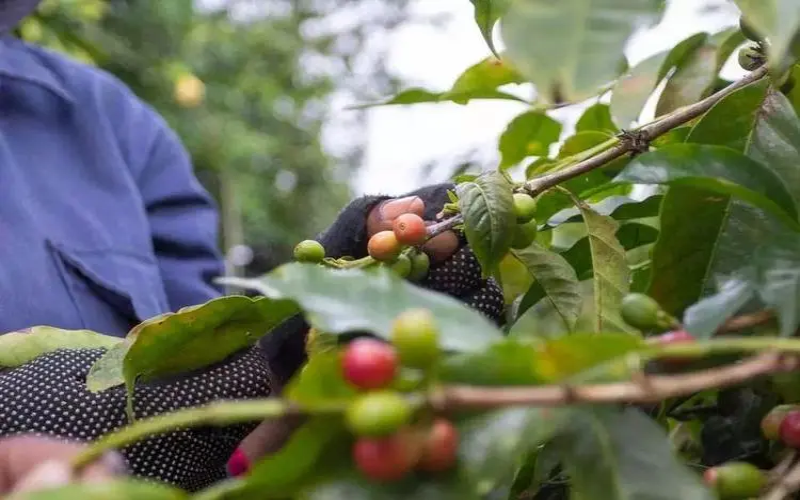
Kenya is located in the equatorial zone of East Africa, with the Great Rift Valley running through the entire country. The central highlands and volcanic soil provide an ideal terroir for specialty coffee. From the introduction of coffee by French missionaries in 1893, to the large estate cultivation during the British colonial period, to the passage of the Coffee Act in 1933, the establishment of the auction system in 1934, and the agricultural legislation of the 1950s that granted farmers land use rights, Kenya gradually built up its own coffee industry. Its grading system is based on bean size and quality, divided into AA+, AA, AB, PB, C, E, TT, and T. Exporters also add cup grading of TOP, PLUS, and FAQ to AA and AB. In terms of varieties, SL28 and SL34 are representative, with the former originating from Bourbon and the latter from Typica, offering complex flavors and prominent sweetness. In terms of processing methods, K72 washed processing forms a 72-hour cycle through three rounds of 24-hour fermentation each, bringing bright acidity and a clean mouthfeel. Front Street Coffee's Asalia AA TOP comes from the Asail processing plant in the Thika region, using SL28 and SL34 with K72 washed processing, presenting flavor notes of cherry tomatoes, smoked plums, berries, citrus, and green tea. [more…]
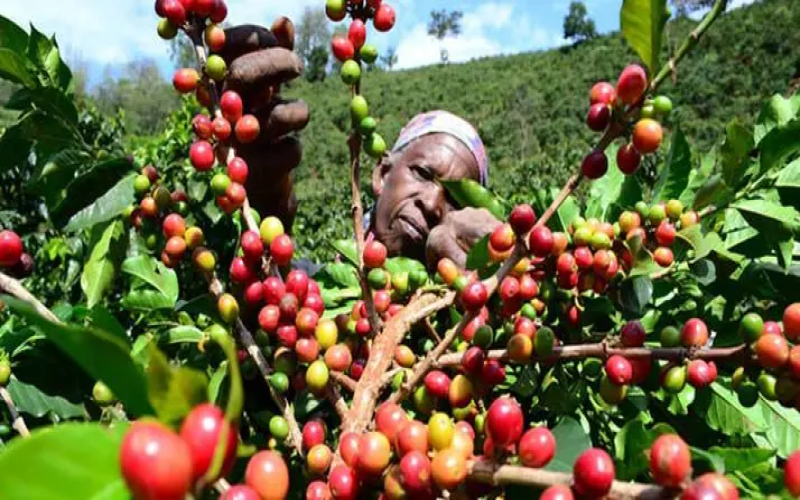
Tanzania's Coffee Industry and Variety Evolution: From KP423 and SL28 to Geisha and the Kilimanjaro Region
Tanzania is located in East Africa, bordering Kenya, Uganda, and several other countries, and its unique climatic conditions provide a diverse environment for coffee cultivation. The history of coffee in the country can be traced back to the 16th century, and today it has developed Typica, Bourbon, Kent, and independently developed disease-resistant varieties. Since its establishment in 2001, the Tanzania Coffee Research Institute (TaCRI) has continued to promote the revitalization of the industry, releasing 23 improved varieties, including KP423. At the same time, Kenya's well-known variety SL28 and Panama Geisha are both inextricably linked to Tanzania. Front Street Coffee has also selected washed beans from the Kilimanjaro volcanic region in the northern highlands, presenting a tea-like flavor with citrus, berry, and honey notes. [more…]
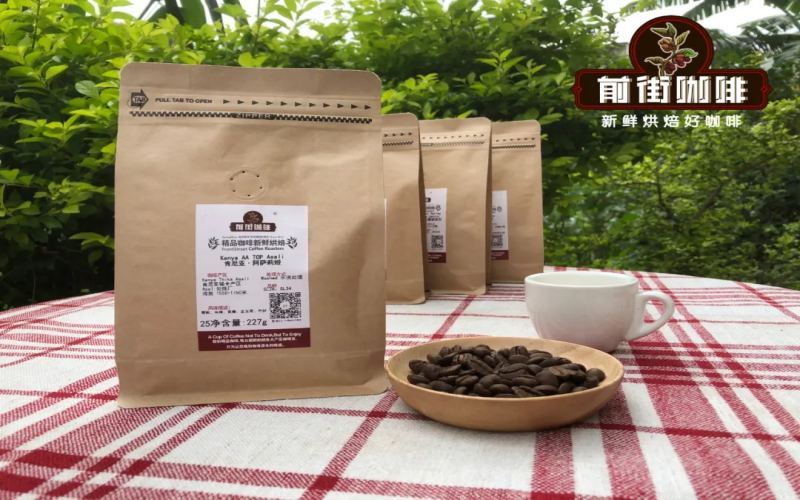
A Comprehensive Analysis of Kenyan Coffee Bean Grading and Cultivation Processing Systems: From AA Classification to Auction Trading
Kenyan coffee is renowned worldwide for its intense, full-bodied fruity acidity, and its unique flavor profile is inseparable from its strict grading system and refined cultivation and processing systems. This article will systematically sort out the development of Kenyan coffee, from its introduction during the colonial period to the Scott Laboratories' selection and breeding of SL28 and SL34, and then to the grading standards such as AA, AB, and PB established in 1938, interpreting one by one the meanings and characteristics of the E, AA, AB, C, PB, TT, and T grades. At the same time, it will provide an in-depth introduction to the flavor differences of major Kenyan coffee regions such as Nyeri, Kirinyaga, and Thika, analyze the coexistence of large estates and smallholder cooperatives, as well as the two trading mechanisms of the Nairobi Coffee Exchange auction and direct trade. Front Street Coffee will also share roasting and pour-over recommendations for Kenyan Asalia coffee beans, taking you through a comprehensive understanding of the coffee world of this East African producing country. [more…]
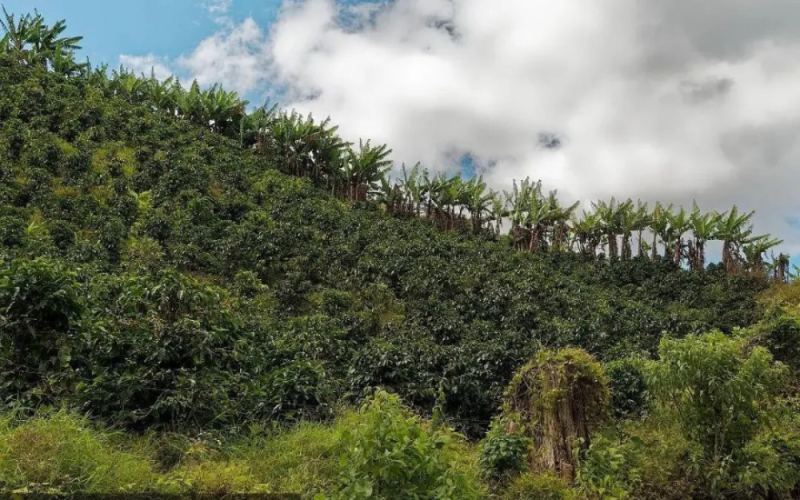
Kenyan Coffee Beans: A Complete Guide to the Flavor Profiles of Seven Major Regions, AA Grading, 72-Hour Washed Processing, and SL Varieties
Kenyan coffee has always been a favorite among acidity lovers, and in recent years it has shown a full berry-juice feel, dark plum acidity, and caramel sweetness. This article systematically reviews Kenya's coffee-growing geography and harvest seasons, the terroir characteristics and elevation ranges of seven well-known producing regions (Thika, Kirinyaga, the western side of Mount Kenya, Nyeri, Kiambu, Ruiru, and Murang'a), explains the AA grading system and the TOP/PLUS/FAQ cupping grades, details the world-famous K72-hour washed processing method, traces the breeding history and flavor differences of the two representative varieties SL28 and SL34, and includes Front Street Coffee's brewing parameters and technique suggestions, helping readers gain a comprehensive understanding of the unique charm of Kenyan coffee. [more…]
Exploring Costa Rica Tarrazú Mirazu Estate: An Analysis of the Strawberry Candy Coffee, a Geisha and ET47 Hybrid
Costa Rica, as the first country in Central America to cultivate coffee, has bred many specialty coffees thanks to its volcanic soil and microclimates. Among them, the Tarrazú region is the country's largest and first region to obtain denomination of origin certification. The Mirazu Estate located here is independently run by Esteban Sanches, who has a formal academic background, and is known for its meticulous processing and innovative variety combinations. This article will provide an in-depth introduction to Mirazu Estate's Strawberry Candy coffee beans, analyzing its blend of Geisha, ET47, SL28, and MAICO, as well as the unique flavors brought by its raisin honey process. At the same time, brewing suggestions from Front Street Coffee will also be presented, taking you to experience this coffee's rose aroma and strawberry sweetness. [more…]
The Acidic Charm of Kenyan Coffee: An Analysis of Production Regions, SL Varieties, and the 72-Hour Washed Process
Kenyan coffee is world-renowned for its bright, uplifting acidity and full, juicy body, making it the benchmark for acidity in the minds of many coffee lovers. This article will start with Kenya's coffee-growing geography and harvest seasons, then go through the characteristics of each of the seven major producing regions one by one, explain the AA grading system and the unique 72-hour washed processing method, and take an in-depth look at the origins and flavor profiles of the two classic varieties, SL28 and SL34. At the same time, Front Street Coffee will share, based on its own roasted Kenya Asalia coffee beans, how to use a segmented extraction approach to fully bring out this bean's rich fruity aromas of cherry tomato and black plum along with its thick, syrupy juice-like body. [more…]
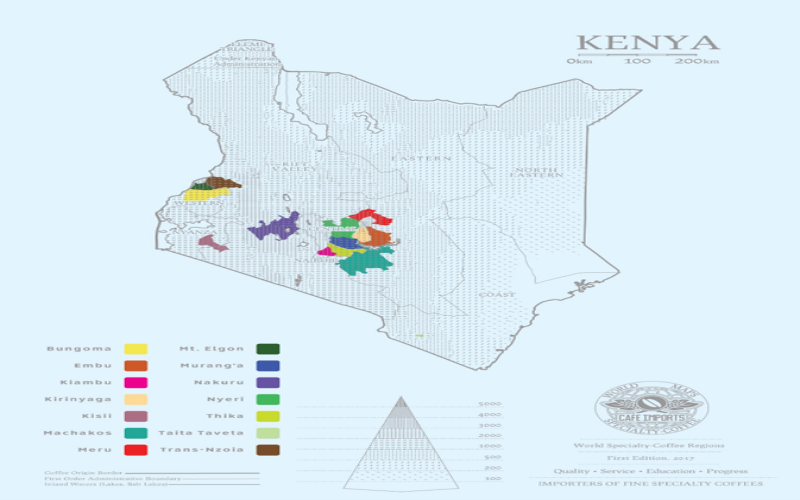
A Complete Guide to Kenyan Coffee Varieties: Flavor Profiles and Pour-Over Parameters for SL28, SL34, Ruiru11, and Batian
Although Kenya and Ethiopia are both in Africa and not far apart, their coffee flavor profiles are completely different—the former is known for its sweet-and-sour notes reminiscent of dark plums, cherry tomatoes, and caramel. This uniqueness stems both from the volcanic soil at altitudes of 1,600 to 2,100 meters from the capital Nairobi to the Kenyan highlands, and from the contribution of classic varieties such as SL28 and SL34. This article will trace the evolution of Kenyan coffee varieties: from the Bourbon variety introduced by French missionaries, to the selection of SL28 and SL34 by the Scott Laboratories, to Ruiru11 developed in response to pests and diseases, and Batian, which was released in 2010. It also includes brewing suggestions and flavor descriptions for Front Street Coffee Kenya·Asalia, for the reference of coffee enthusiasts. [more…]
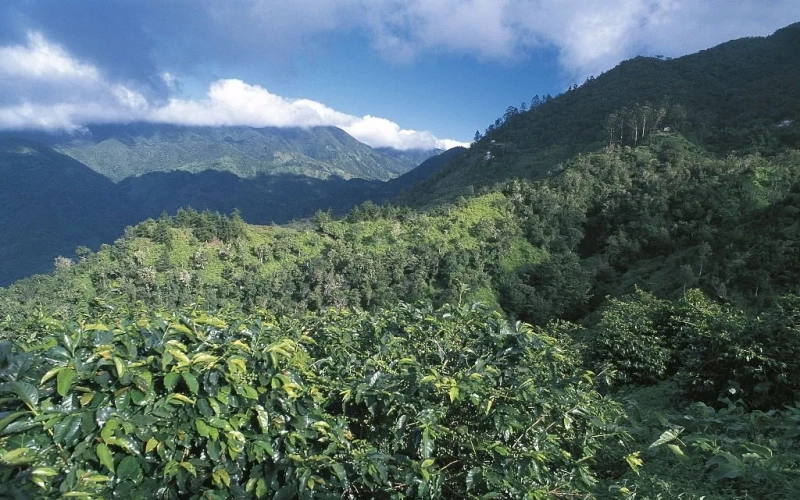
Kenya Thika Region Asali Processing Plant: Flavor Analysis of SL28 and SL34 Coffee Beans
Kenya is an important representative of African specialty coffee, and its Thika region is renowned for its distinct tomato-like flavor and excellent acidity. Located in the Aberdare Mountains, the Asali Processing Station employs Kenya's signature K72 washing process, paired with the local main varieties SL28 and SL34, presenting a complex flavor interweaving cherry tomatoes, smoked plums, berries, and citrus. This article will guide you through Kenya's geographical and climatic conditions, the cultivation characteristics of the Thika region, the 72-hour fermentation process at the Asali Processing Station, and the origins and flavor profiles of SL28 and SL34, as well as sharing Front Street Coffee's brewing recommendations. [more…]
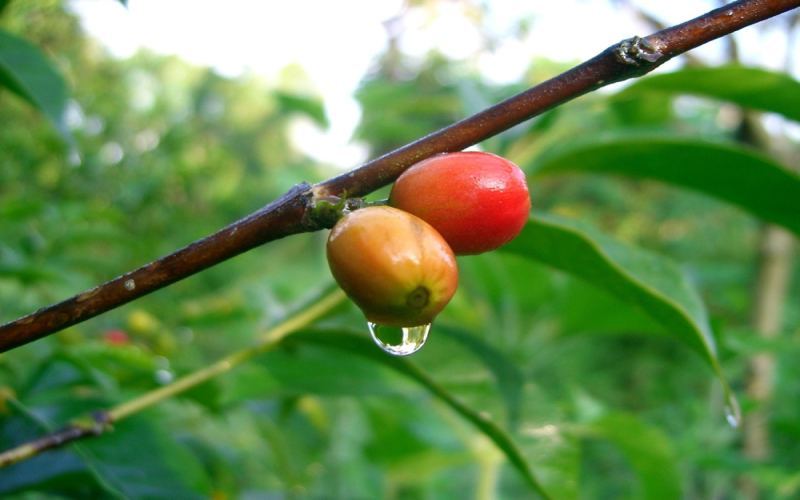
A Complete Analysis of Kenyan Specialty Coffee Flavors and Varieties: From SL28 and SL34 to the Cup Profile of K72 Washed Processing
Kenya is a major specialty coffee producer in East Africa, known for its bright fruit acidity, full body, and distinctive flavors. This article systematically reviews Kenya's coffee-growing regions, cultivation altitudes, variety evolution, and trading system, with a focus on the origins and characteristics of the two representative varieties, SL28 and SL34, and an analysis of the cause behind Kenya's signature flavor—the 72-hour washed fermentation process. At the end, product information and pour-over parameters for Front Street Coffee's Kenyan Little Tomato coffee beans are provided for coffee enthusiasts' reference. [more…]
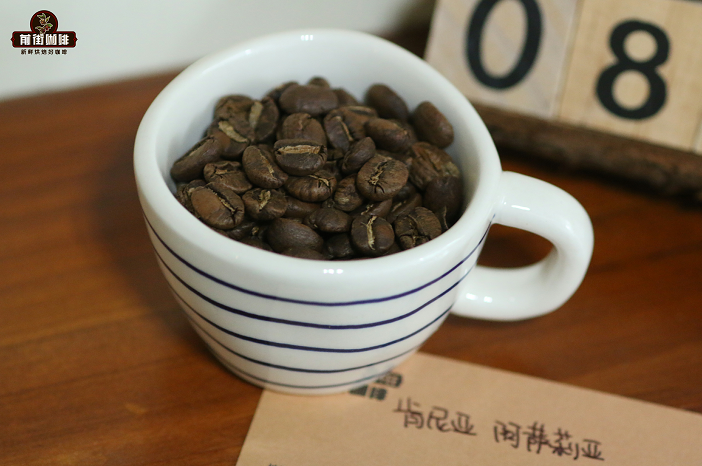
Kenya Coffee Characteristics | What Coffee Varieties Are Grown in Kenya? How to Make Pour-Over Black Coffee with Washed Kenya AA, and How to Describe the Coffee Flavor?
Front Street Coffee: Kenya Asaliya Coffee Beans Region: Kenya, Thika Region, Asali Processing Plant Altitude: 1550-1750m Processing Method: Washed Variety: SL28 & SL34 Flavor: Snow Pear, Smoked Plum, Yellow Sugar [more…]
An Analysis of Kenya's 72-Hour Refined Washed Processing Method: A Full Overview of Front Street Coffee Beans' Flavors and Producing Regions
Kenyan coffee is famous for its bright, complex fruity flavors, and its unique 72-hour refined washed processing method (K72) is the core craft that shapes this flavor profile. Starting from the tasting notes of Front Street Kenyan coffee, this article provides an in-depth introduction to the geography and cultural background of the Kirinyaga region, the operations of the Kiangombe processing plant, and the origins of the two classic varieties SL-28 and SL-34. At the same time, it breaks down the Kenyan-style washed cycle fermentation process in detail, helping you fully understand every key step of this East African coffee bean from origin to cup. [more…]